
Mission
Using the Torah and other scrolls once with Bohemian and Moravian congregations to encourage remembrance of European Jewish life before the Holocaust, challenging those who interact with them to confront prejudice and hatred, and inspire them to action by committing to their Jewish lives and working to build bridges across communities.
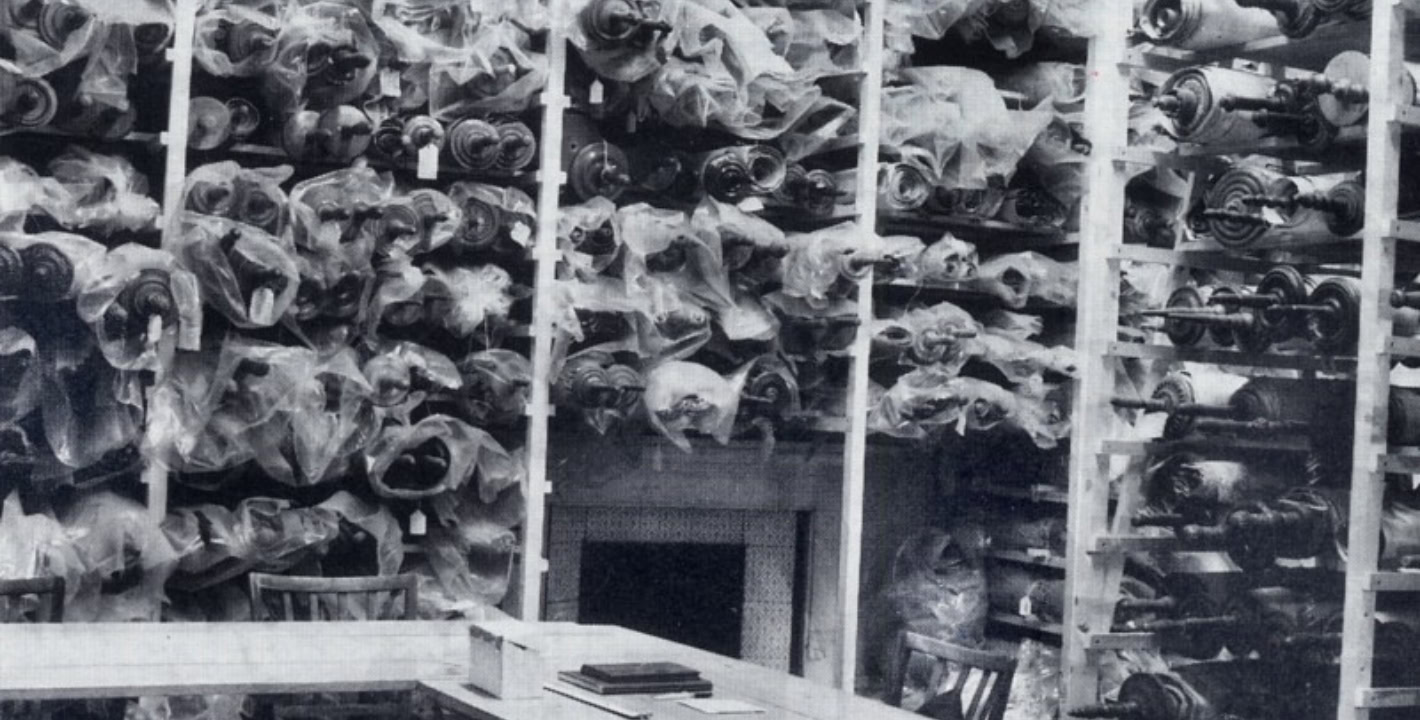
Our 1564 scrolls of which 1400 have been loaned to congregations and organisations around the world continue to be used meaningfully for liturgical, commemorative and educational purposes as a symbol of continuing Jewish faith and culture.
What we use the scrolls for
Ritual use
The Kosher Czech Torah should be used for B’nai Mitzvah services whenever possible as well as on other Torah-reading occasions. Even when the scroll is Posul (unsuitable for ritual use) it can be used for Hakafot (processionals) on Kol Nidrei, Yom Ha’shoah, and Simchat Torah.
Education
As well as for help learning ritual, the Czech Torah, which are survivors and “silent witnesses” of the Holocaust, can be used to to educate on Jewish resilience and lost communities. They may also be used to foster interfaith understanding.
Commemoration
This can be achieved by researching the Scrolls’ towns of origin, learning about the Jews and Jewish life in these towns before the Shoah, dedicating services and mentioning the names of those who perished, also by adding a page to their websites about the Czech Torah.
Conservation
Made from parchment, handwritten and used for decades and sometimes centuries, the MST Torah scrolls may only be repaired or restored by Sofrim, scribes who have been authorised as having the knowledge and qualifications required that rely on traditional techniques. The MST is able to offer advice for both repairs and restoration.